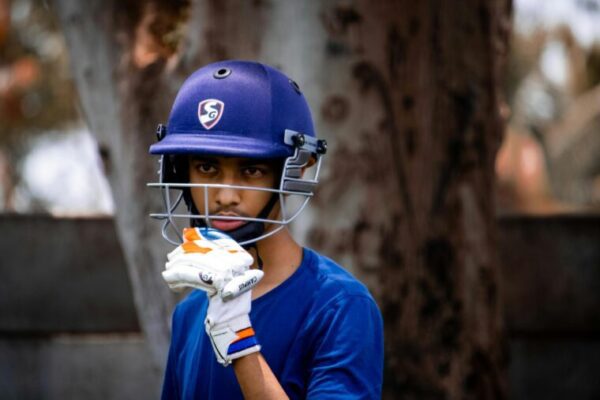
Cricket is not just a game of skill but also a sport that demands precision, strategy, and teamwork. Practicing specific drills can significantly enhance players’ performance, irrespective of their experience level. Engaging in well-structured practice drills not only improves individual skills but also builds a cohesive team capable of executing complex match scenarios.
Understanding the different aspects of cricket such as batting, bowling, and fielding is essential for any aspiring player. Each skill set requires targeted drills to develop muscle memory and instinctive responses during matches. Here are ten effective cricket practice drills that cater to various skill levels.
Table of Contents
1. Batting Against Fast Bowlers
This drill focuses on improving a batsman’s ability to face fast deliveries. Set up a bowling machine or have a fast bowler deliver short-pitched balls. The batsman should practice playing hook and pull shots, which are crucial for scoring runs off fast bowlers. This drill enhances reflexes, hand-eye coordination, and shot selection.
2. Target Bowling
Bowlers can use this drill to improve accuracy. Place targets within the pitch area, such as cones or markers. The bowler aims to hit these targets consistently to develop precision and control over line and length. This drill also helps bowlers understand the importance of varying speeds and angles.
3. Slip Catching Drills
Fielding is a vital aspect of cricket, and slip catching is among the most challenging. This drill involves a coach or player hitting balls towards a group of slip fielders. Focusing on hand positioning, footwork, and quick reflexes, players practice catching balls at various heights. This drill not only improves catching skills but also boosts confidence under pressure.
4. Running Between Wickets
Efficient running between the wickets can significantly change the game’s dynamics. This drill involves pairing players to practice calling, timing, and executing runs. Emphasizing communication and awareness, players should practice both quick singles and turning for two runs, improving their overall agility and decision-making on the field.
5. Throwing Accuracy
Strong and accurate throwing can save crucial runs. Set up targets at different distances for players to throw the ball at. This drill focuses on building arm strength and improving technique in fielding. Players should aim to hit the targets consistently while maintaining proper throwing posture to prevent injury.
6. Batting Under Pressure
This drill simulates match scenarios where batsmen must perform under pressure. Create a scenario where the batsman faces a certain number of balls and needs to score a specific amount of runs. Incorporating a countdown can heighten the pressure, allowing players to practice decision-making in high-stress situations.
7. Bowling Variations Practice
Bowling variations can be the key to outsmarting batsmen. In this drill, bowlers practice their spins, yorkers, and slower balls against a batsman or in a net session. By focusing on technique and the psychological aspects of deceiving the batsman, bowlers can develop their unique bowling repertoire.
8. Fielding Reaction Drills
This drill emphasizes improving reaction times for fielders. Set up different fielding positions and have a coach randomly direct balls towards them. Fielders must react quickly and accurately to catch or stop the ball, developing a quicker response to unpredictable game scenarios.
9. Mini-Matches
Conducting mini-matches can help players learn teamwork and strategic thinking. Divide the players into teams and play shortened versions of matches, encouraging them to implement skills practiced during drills. This helps integrate technical skills into real-game scenarios for improved understanding.
10. Video Analysis
Utilizing video analysis can be immensely beneficial. Recording practice sessions allows players to review their techniques and identify areas for improvement. Coaches can provide feedback on batting stances, bowling actions, and fielding positions. This visual feedback is invaluable for enhancing performances over time.
In summary, these drills cover essential skills required in cricket, including batting, bowling, and fielding. Regular practice and effective implementation of these drills can lead to significant improvements in individual and team performance, ultimately making the game more enjoyable and competitive.
