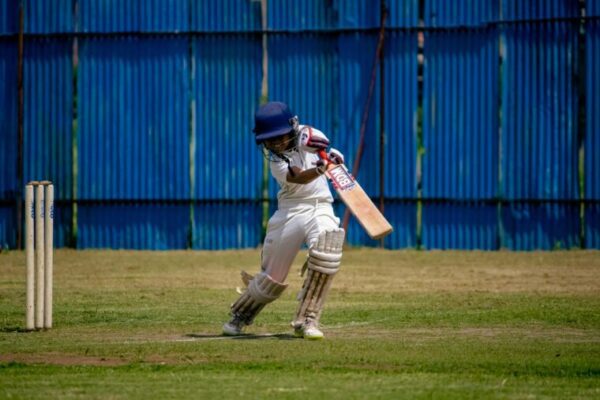
Mental toughness is often an overlooked aspect of cricket, yet it plays a crucial role in the performance of athletes at all levels. In a sport where pressure can swing dramatically from one over to the next, the ability to maintain focus, resilience, and composure is indispensable. Understanding the intricacies of mental toughness can help players not only improve their game but also enhance their overall enjoyment of cricket.
This article explores essential strategies that cricketers can adopt to cultivate mental toughness, drawing on examples from professional players and psychological principles.
Table of Contents
Understanding Mental Toughness
Mental toughness is the mental and emotional resilience that enables athletes to perform under pressure. According to a study published in the Journal of Sports Psychology, mentally tough athletes are more likely to cope with challenges, recover from setbacks, and persevere in the face of adversity. For cricketers, this means maintaining focus when facing a hostile crowd or through a tough match situation.
Visualization Techniques
One effective strategy for building mental toughness is through visualization techniques. Many successful cricketers, including legends like Sachin Tendulkar, have employed visualization to mentally rehearse their performances. This technique involves imagining oneself in various match scenarios and responding positively. Research indicates that athletes who practice visualization can improve their performance by creating neural patterns that mimic real-life execution.
Mindfulness and Stress Management
Mindfulness practices, such as meditation and deep breathing, can significantly enhance mental toughness. A study highlighted in the International Journal of Sports Science found that athletes who practiced mindfulness showed improved concentration and reduced anxiety during competitions. By incorporating mindfulness into their training regimen, cricketers can learn to stay present, focusing on the current ball rather than dwelling on past mistakes.
Building a Supportive Environment
A strong support system can bolster mental toughness. Coaches and teammates play an essential role in fostering a positive team atmosphere that encourages growth and resilience. Open communication, constructive feedback, and team-building activities can help athletes feel supported, which contributes to their mental robustness during challenging times.
Setting Realistic Goals
Goal-setting is another critical aspect of developing mental toughness. Cricketers should establish both short-term and long-term goals that challenge them while remaining achievable. For instance, a bowler might focus on improving their bowling average over the course of a season while setting weekly performance targets. Research from the Association for Applied Sport Psychology suggests that clear goals enhance motivation and confidence, essential components of mental toughness.
Conclusion
In summary, mental toughness is a defining trait for success in cricket. By implementing strategies such as visualization, mindfulness, a supportive environment, and effective goal-setting, cricketers can develop this vital attribute. Ultimately, the combination of physical skill and mental resilience is what separates good players from great ones in the sport.
